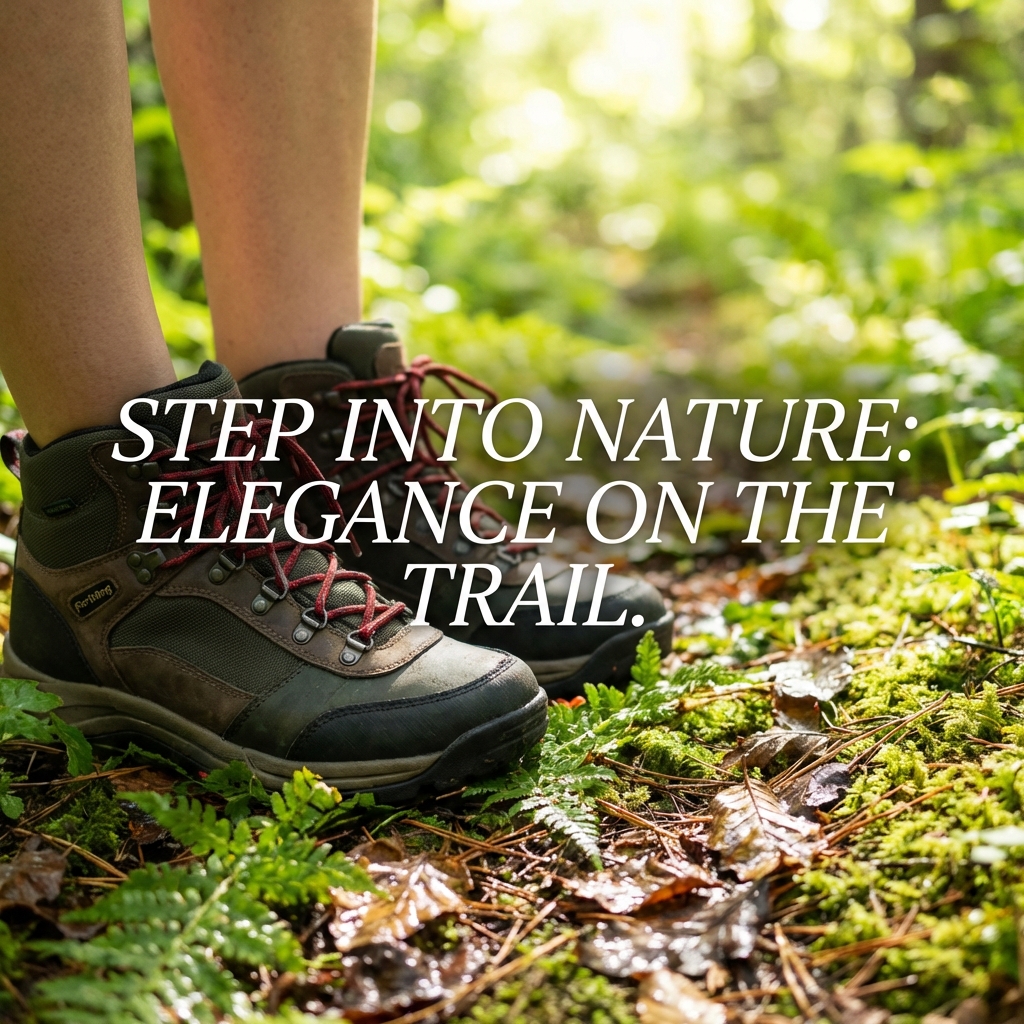
Choosing the right hiking footwear is arguably the most critical decision a hiker can make. Your feet are your foundation, and the wrong choice can turn a dream trek into a painful ordeal. At Forthing, we believe that every step should be taken with confidence and comfort.
1. Understand Your Terrain
The first step in selecting footwear is analyzing where you'll be walking.
- Light Trails: Well-maintained paths with predictable surfaces. Light hiking shoes or trail runners are often sufficient.
- Rugged Terrain: Rocky, uneven paths with roots and debris. Sturdy boots with toe caps (like our "Ascent" series) provide necessary protection.
- Off-Trail/Mountaineering: Requires maximum stiffness and ankle support to handle steep grades and potential crampon usage.
2. The Importance of Fit
No amount of technology can compensate for a poor fit. When trying on boots, ensure you have about a thumb's width of space between your longest toe and the front of the boot. Your heel should be locked in place to prevent blistering.
We recommend trying boots on in the afternoon, as feet tend to swell slightly throughout the day—simulating the conditions of a long hike.
3. Materials Matter
Forthing footwear utilizes a blend of synthetic technical fibers and premium ethically sourced leathers.
- Synthetics: Lighter, dry faster, and breathable.
- Leather: Extremely durable and molds to your foot over time, though it may require a break-in period.
- Waterproof Membranes: Essential for wet climates, but consider non-waterproof options for hot, dry desert hiking to maximize breathability.
Conclusion
Investing in quality footwear is investing in your experience. Whether you're crossing the Alps or exploring a local coastal path, the right boots will help you push further and discover more.
Ready to find your pair?
Shop Forthing Footwear